基于主從博弈的綜合能源服務商動態定價策略研究(Matlab代碼實現)
? 個人主頁:研學社的博客 歡迎來到本博客???? /> 博主優勢: 博客內容盡量做到思維縝密,邏輯清晰,為了方便讀者。>??座右銘:
? 個人主頁:研學社的博客
歡迎來到本博客????
/>
博主優勢: 博客內容盡量做到思維縝密,邏輯清晰,為了方便讀者。
>
??座右銘:行百里者,半于九十。
本文目錄如下:
1 概述
文獻來源:

?
隨著綜合能源技術的推廣和能源交易的多樣化,不同類型能源的交易價格和交易過程表現出更強的耦合性和相關性。針對綜合能源服務商在電熱能動態定價過程中的強相關性,以及綜合能源服務商與熱負荷用戶的博弈關系,提出一種基于主從博弈的綜合能源服務商多能源動態定價模型。首先,結合綜合能源服務商的聚合設備和運行原理,構建綜合能源服務商最優動態定價模型,實現自身經濟效益最大化;其次,以消費者剩余最大化為目標,構建用戶側收益模型;結合他們在電力市場的不同地位,采用斯塔克爾伯格模型來處理綜合能源服務商與用戶之間的博弈關系。最后,以某熱電聯產綜合能源服務商為例,驗證了所提模型和算法的有效性。
原文摘要:
Abstract:
With the promotion of integrated energy technology and the diversification of energy trading, the trading prices and trading process of different types of energy show stronger coupling and relevance. In view of the strong correlation of integrated energy service providers in the dynamic pricing process of electric and thermal energy, and the game relationship between integrated energy service providers and thermal load users needs to be further explored, a multi energy dynamic pricing model of integrated energy service providers based on master-slave game is proposed. Firstly, combined with the aggregation equipment and operation principle of integrated energy service provider, the optimal dynamic pricing model of integrated energy service provider is constructed to maximize its own economic benefits; Secondly, with the goal of maximizing the consumer surplus, the user side revenue model is constructed. Combined with their different positions in the power market, the Stackelberg model is used to deal with the game relationship between integrated energy service providers and users. Finally, a cogeneration integrated energy service provider is taken as an example to verify the effectiveness of the proposed model and algorithm.
文獻下載:
鏈接:https://pan.quark.cn/s/7b06d3bb99ac
提取碼:WbYv
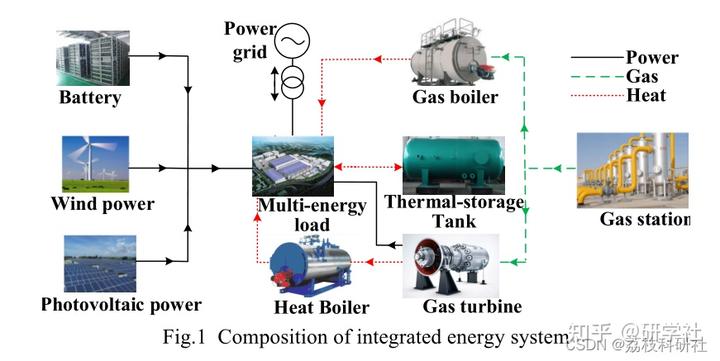
本文所研究的IES包括供電部分和供熱部分兩部分。供電部分由熱電聯產機組、風能、光伏和儲能設備組成。供熱部分由熱電聯產機組和燃氣鍋爐(GB)組成。基本組成如圖所示。
?
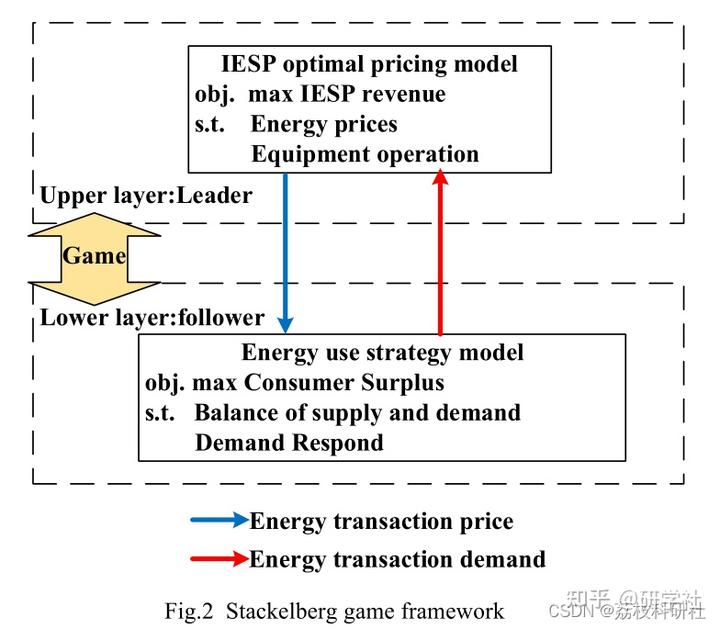
從圖2可以看出,IESP是電、熱用戶的優勢能源供應商。IESP的售電和售熱定價將影響用戶的用電量和熱消耗。此外,用戶的用電量和熱量消耗也將深刻影響IESP的定價。然后構建IESP與用戶之間的主從博弈模型。IESP作為領導者,結合市場價格約束和內部聚合單元運行約束,以自身利益最大化為目標制定電熱交易價格。作為追隨者,每個用戶在收到IESP的交易價格信息后,以消費者剩余最大化為目標,調整自己的能耗水平和方式。IESP根據用戶的能源消費策略再次調整能源交易價格,形成了一種Stackelberg博弈關系。
?
詳細文章講解見第4部分。
2 運行結果
2.1 光伏、風力發電機組的預測出力
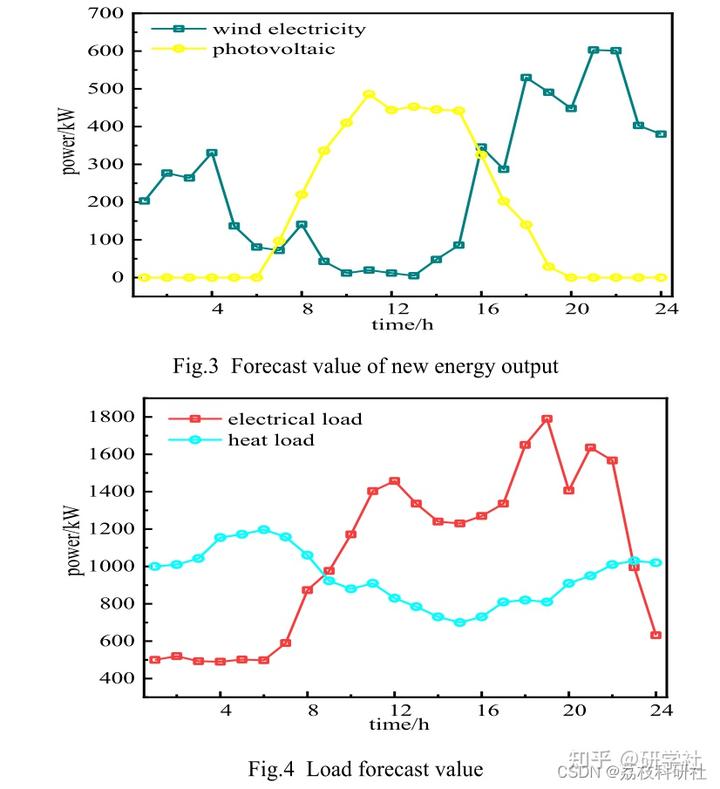
在本節中,我們根據實際情況設計了一個測試系統來評估動態定價博弈模型的有效性。IES系統中光伏、風力發電機組的預測輸出計劃如圖3所示,電熱負荷預測值如圖4所示。CCHP系統參數如表1所示。
?
復現結果圖:

?

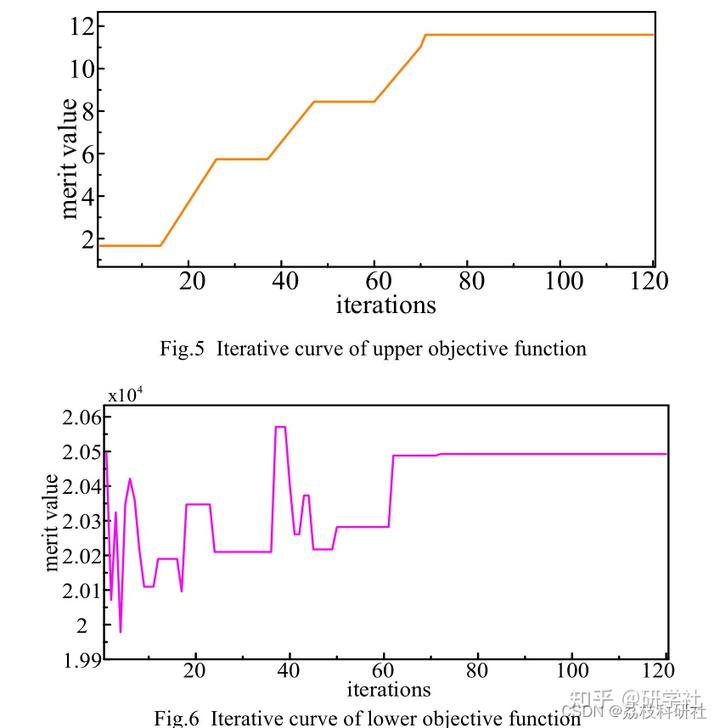
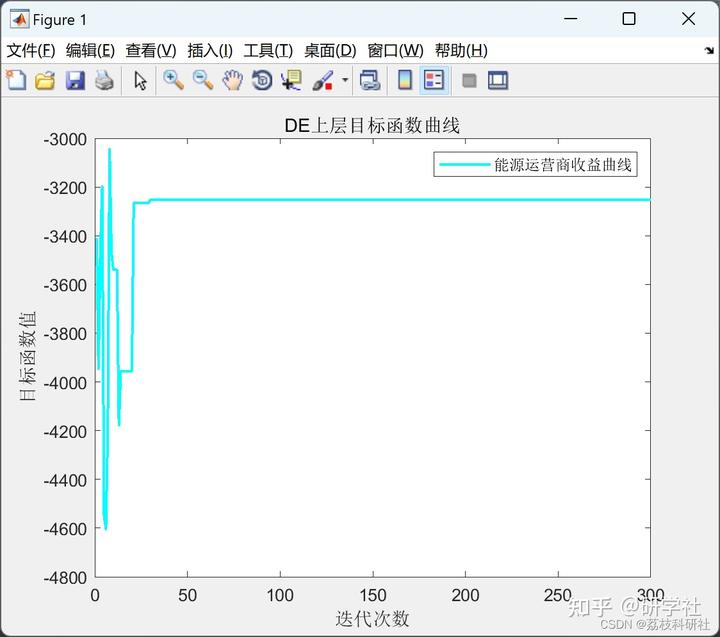
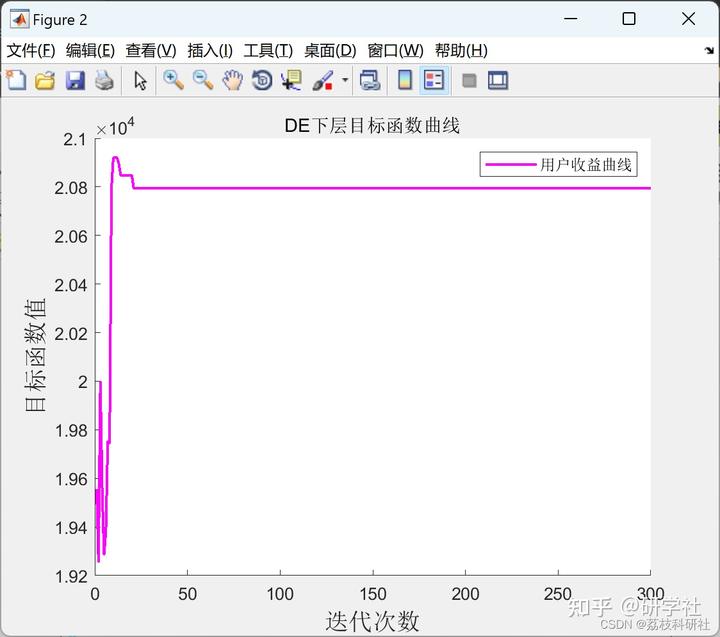
? 2.2 雙層目標函數迭代曲線
原文圖:
?
復現結果圖:
迭代次數改為300次,效果更不錯喔。
?
?
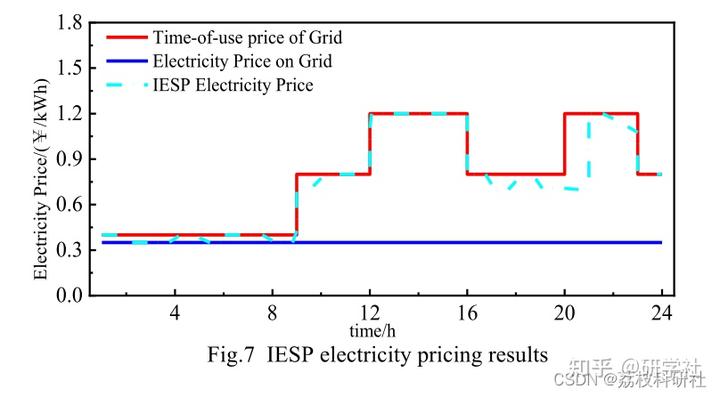
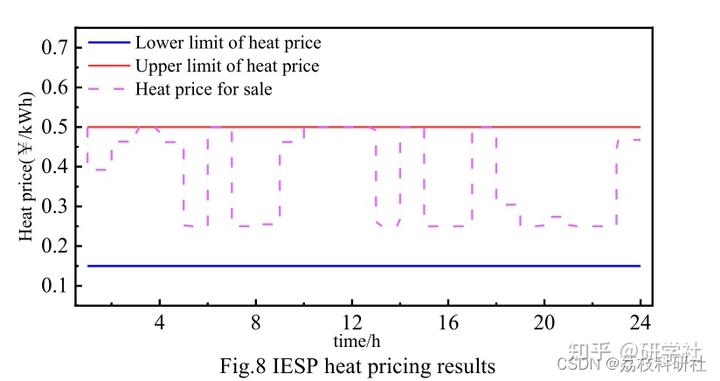
2.3 動態電價、熱價
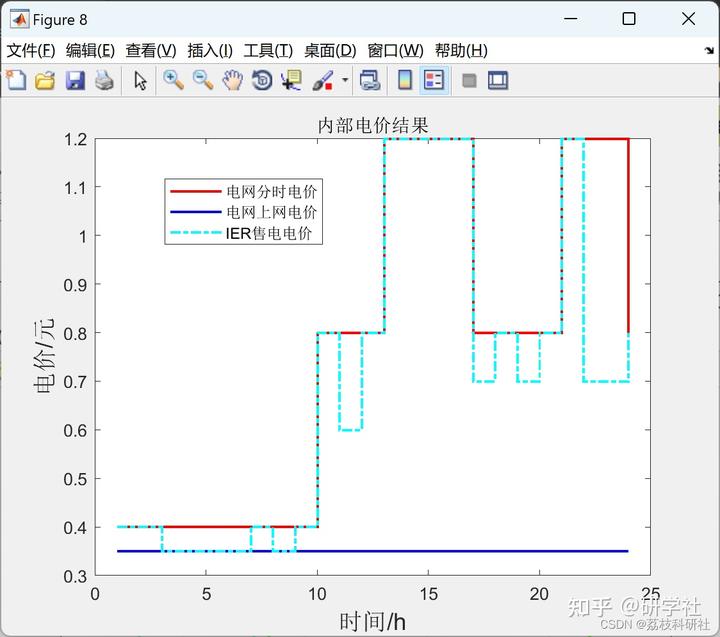
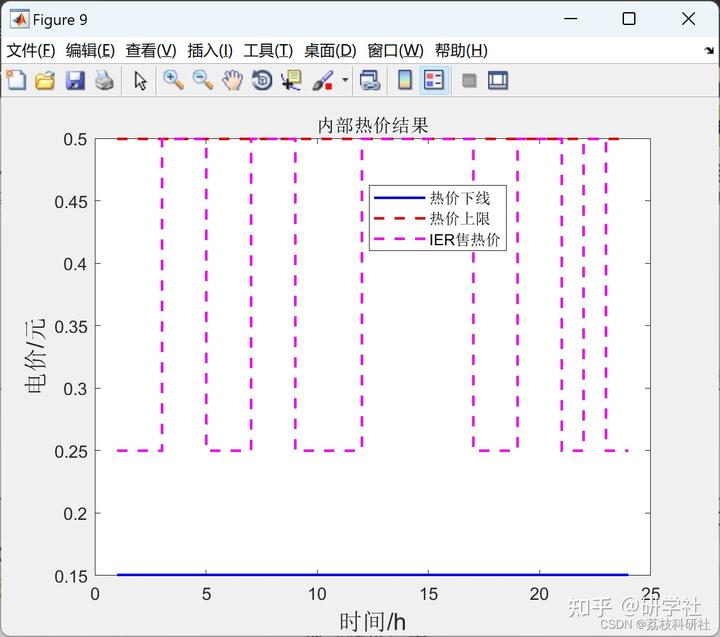
IESP的定價策略如圖7和圖8所示。為了在系統中優先考慮新能源的消耗,在輸電網定價中始終包含價格策略,為能源用戶提供更好的價格。由圖7可以看出,IESP電價的波動趨勢與輸電網分時電價是一致的,其目的是鼓勵用戶主動購電。同樣,熱價格也與熱負荷的變化趨勢有關。
?
復現結果圖:
2.4 需求響應前后電、熱負荷曲線
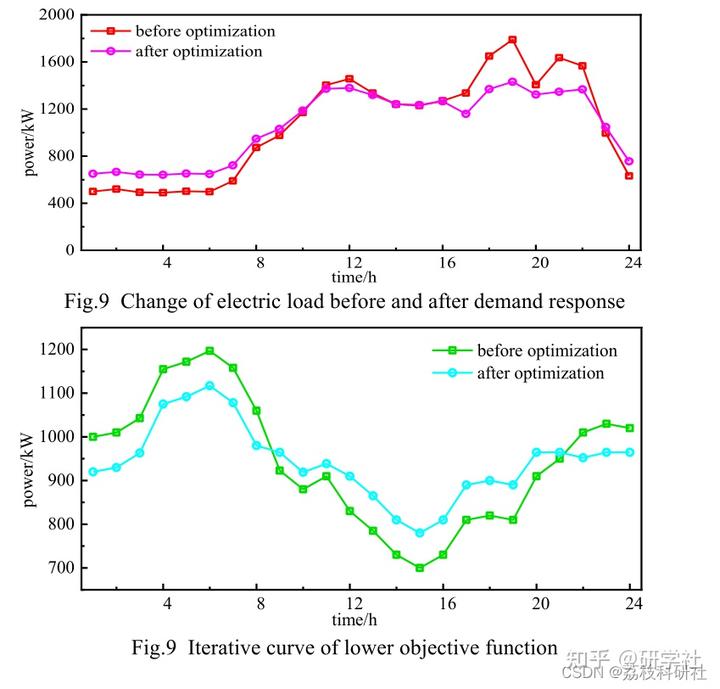
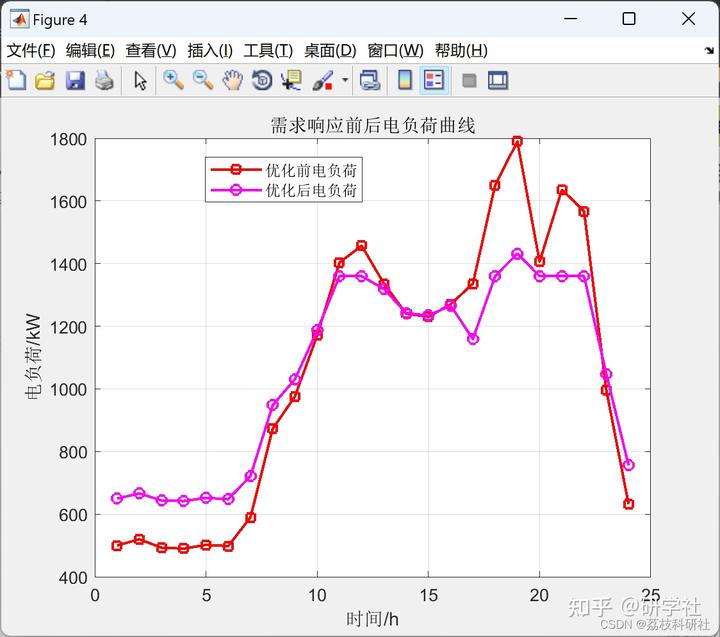
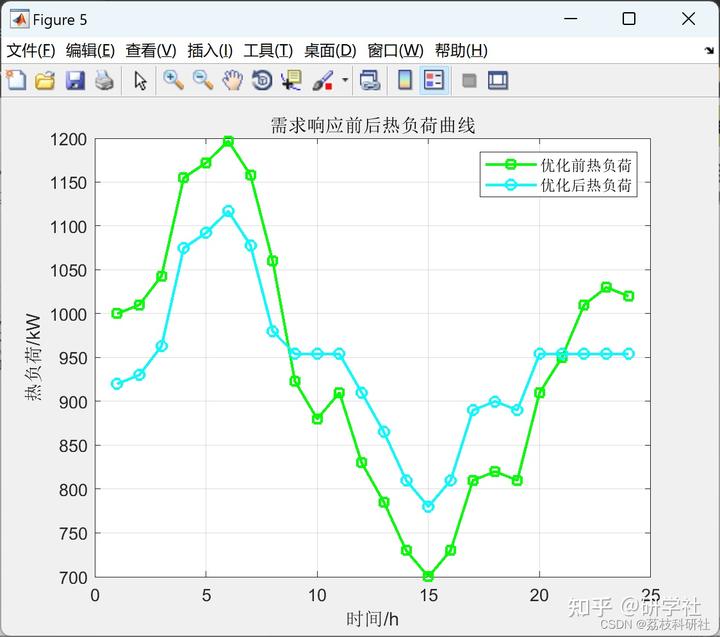
需求響應前后的電負荷和熱負荷曲線如圖9和圖10所示。從圖中可以看出,在電價激勵下,為了降低總用電成本,需求響應前后的用電負荷曲線呈現出“削峰填谷”的特征。用戶原始用電負荷曲線的兩個峰值出現在11:00 - 12:00和18:00 - 22:00。用戶側優化后,峰值負荷明顯降低,并轉入0:00 - 8:00和23:00 - 24:00的低負荷谷階段,電力負荷曲線波動明顯減小。此外,用戶熱負荷響應的趨勢與用電負荷的趨勢大致相同,總體響應后的曲線符合調峰特性。為了保證用戶的舒適性,熱負荷傳遞相對較小。
原文圖:

?編輯
復現結果圖:
?
?
3 參考文獻
部分理論來源于網絡,如有侵權請聯系刪除。
[1]Y. Zhou, H. Ding, Y. Liang, Z. Ji, Z. Wu and Q. Hu, "Dynamic pricing of integrated energy service providers based on master-slave game," 2021 IEEE Sustainable Power and Energy Conference (iSPEC), Nanjing, China, 2021, pp. 1891-1896, doi: 10.1109/iSPEC53008.2021.9735953.